Proudly serving Phoenix, Glendale, Scottsdale, Tempe, Mesa, Chandler & surrounding areasCall or Text 24/7: 480-243-9053

Phoenix Appliance Repair Co. - Refrigerator Repair, Washer Repair, Dryer Repair in Phoenix, AZ

Phoenix Appliance Repair Co. provides licensed appliance repair for households and businesses in Phoenix and across the Salt River Valley. We repair refrigerators, washers, dryers, dishwashers, ovens, and stove ranges. Our technicians also service freezers, microwaves, ice makers, and garbage disposals. From residential kitchens and laundry rooms to commercial refrigeration equipment, we diagnose the actual failure before recommending a fix.

Phoenix's triple-digit summer heat makes cooling failures urgent, while mineral-heavy water and desert dust add wear to pumps, valves, coils, and seals. In a city of over 1.6 million residents, we bring parts and tools for major equipment to properties ranging from Arcadia bungalows to Desert Ridge new builds. We are licensed and insured, and our technicians hold EPA Section 608 certification for refrigerant handling under the Clean Air Act. Manufacturer-spec training, transparent quotes, and honest repair-versus-replacement guidance help customers make informed decisions.

Call for a free appliance repair estimate and scheduling across Phoenix and the broader Maricopa County area.

★ ★ ★ ★ ★4.9/5 Average Rating · 20+ Years of Experience · Thousands of Customers Helped · Licensed & Insured · Residential & Commercial

Phoenix Appliance Repair You Can Trust

Free Appliance Repair Estimate
Licensed & Insured
EPA Section 608 Certified
Phoenix Metro Service
Kitchen & Laundry Repairs

Phoenix Appliance Repair Services

Our technicians troubleshoot cooling, drainage, heating, cleaning, ignition, and control failures across the major appliance categories found in Phoenix homes and businesses. Each visit begins with diagnosis so the recommended repair addresses the failed component instead of relying on guesswork.

Refrigerator Repair

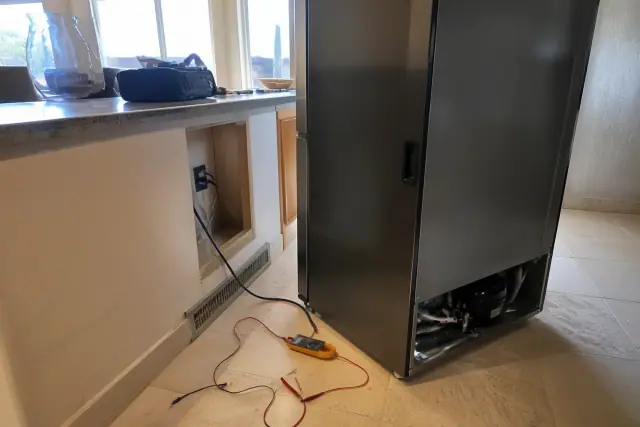
Technician using a multimeter to repair a refrigerator in a kitchen in Phoenix, AZ.

A refrigerator in a 110-degree garage or west-facing kitchen works under added thermal load. We diagnose failed start relays, dust-clogged condenser coils, evaporator fan motors, gaskets, compressors, and refrigerant leaks on units that typically last 9 to 13 years.

Explore Service
Washer Repair

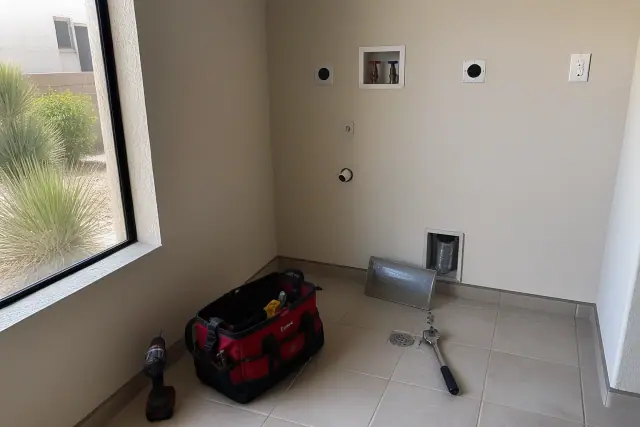
Washing machine repair in progress in a laundry alcove in Phoenix, AZ, with tools laid out on the floor.

For washers that will not drain, we inspect the pump filter, drain hose, and drain pump before moving to seals, bearings, belts, lid switches, or control boards. We service front-load and top-load models, including components affected by Phoenix's mineral-heavy water.

Explore Service

Dryer Repair

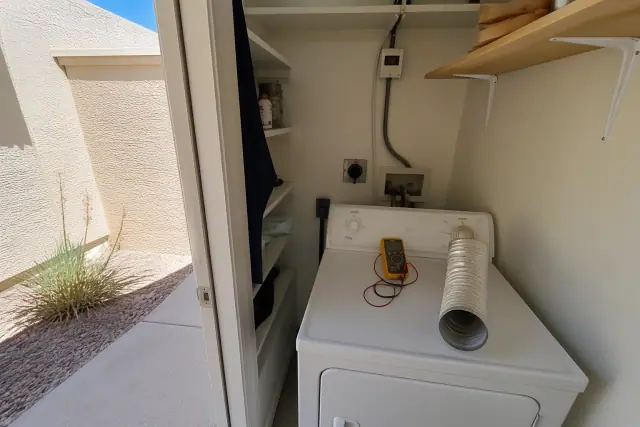
A technician repairing a dryer in a laundry closet with a multimeter on top in Phoenix, AZ.

A dryer that is not heating may have a blown thermal fuse, failed heating element, or faulty cycling thermostat. We test electric dryer components on 240-volt equipment as well as gas ignitors, valve coils, flame sensors, control boards, and lint-restricted vent performance.

Explore Service

Dishwasher Repair

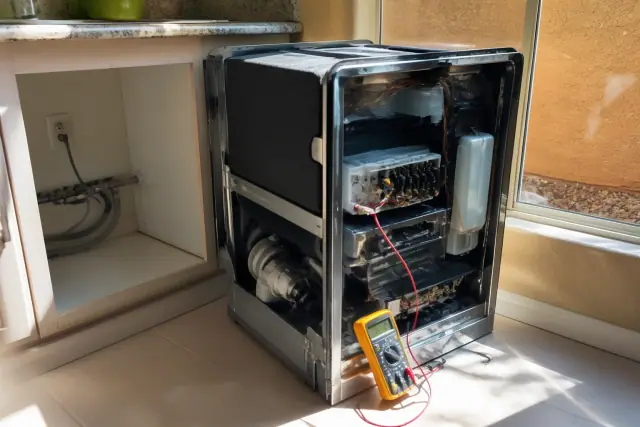
Technician repairing a dishwasher in a Phoenix, AZ kitchen with wires exposed and a multimeter attached.

Cloudy glassware and poorly cleaned dishes can point to scale-clogged spray arms, a restricted fill valve, or a failing wash pump. We diagnose built-in, portable, and countertop dishwashers and run the repaired unit through a full-cycle function test.

Oven Repair

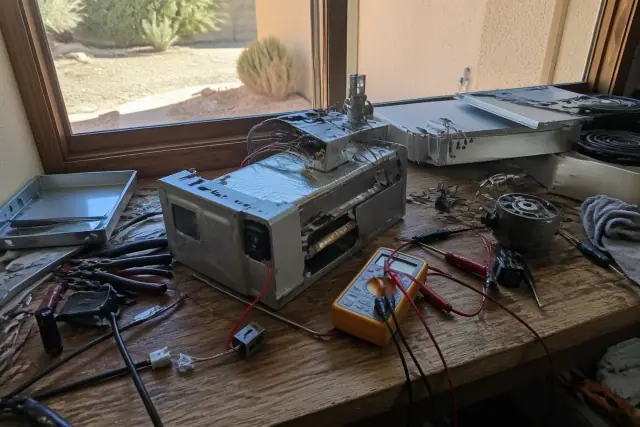
Oven repair workbench with tools and disassembled components in Phoenix, AZ.

Ovens and electric ranges have an expected service life of roughly 12 to 15 years. We troubleshoot igniters, bake and broil elements, temperature sensors, control boards, calibration drift, and worn door gaskets that let heat escape.

Stove & Range Repair

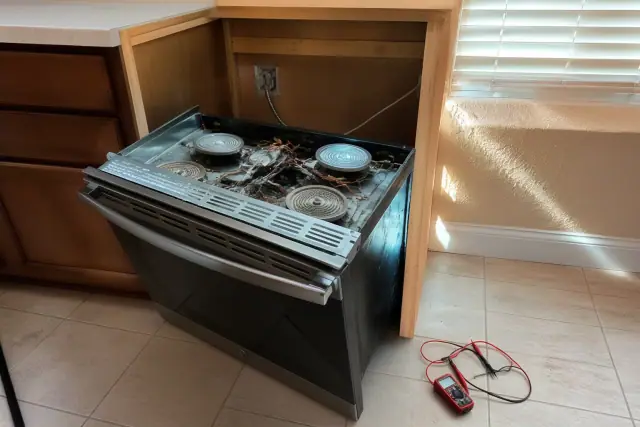
A technician inspects a stove pulled from a cabinet for repairs in a Phoenix, AZ home.

We service freestanding and slide-in ranges, electric cooktops, and gas stoves with standing-pilot or electronic-ignition systems. Diagnostics cover igniters, burner valves, gas orifices, electrical elements, sensors, and range controls.

Freezer Repair

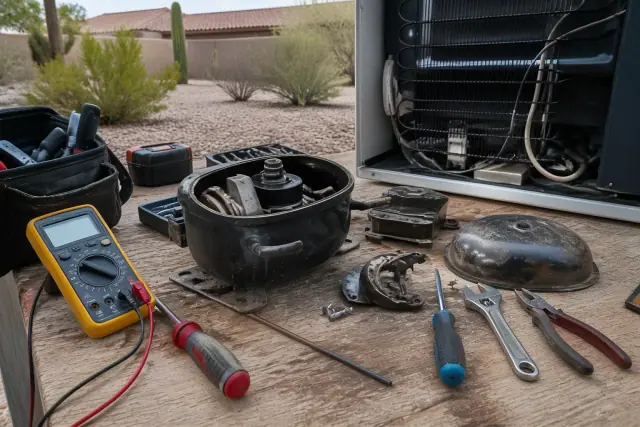
Technician repairing a freezer compressor on a workbench at a workshop in Phoenix, AZ.

Garage freezers can work in temperatures well above 100 degrees for months, forcing condenser systems to shed more heat. We check defrost timers and heaters, evaporator fans, door seals, thermostats, compressor relays, and sealed-system performance on upright and chest models.

Microwave Repair

Microwave repair work in progress on a workbench with tools and testing equipment in Phoenix, AZ.

Microwaves have an optimistic lifespan of 13 to 15 years and can lose roughly 30% of output power after about 10 years of regular use. We evaluate magnetrons, high-voltage diodes, vent fans, lighting circuits, transformers, and control systems while explaining when replacement is more economical.

Ice Maker Repair

Multimeter testing internal components of an ice maker during a repair in Phoenix, AZ.

Phoenix households depend heavily on ice during summer. We service inlet valve failures, clogged fill tubes, and worn ejector mechanisms in built-in refrigerator ice makers and standalone units.

Garbage Disposal Repair

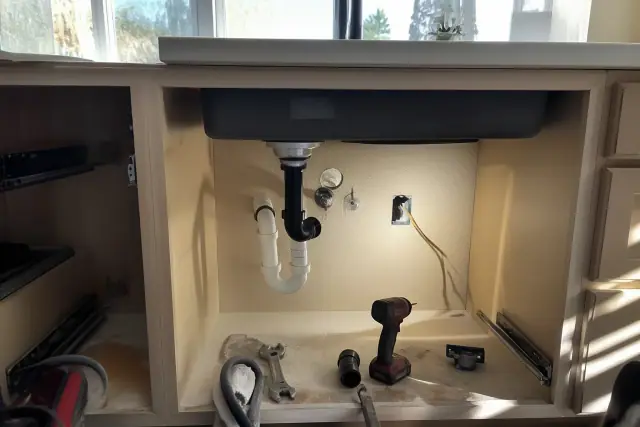
Open plumbing and electrical wiring under a kitchen sink in a Phoenix, AZ home during a garbage disposal repair.

A humming disposal often needs a jam cleared, while a silent unit may have a failed motor or tripped overload. We repair leaks and jams, install matched replacement units, and discuss replacement when a disposal is more than a decade old and failing repeatedly.

Specialized Capabilities

Specialized Appliance Repair Options

Different properties and appliance systems call for different diagnostic skills. Our service spans residential kitchens and laundry rooms, commercial cold storage and cooking equipment, safety-critical gas and refrigerant components, and practical repair-or-replace decisions.

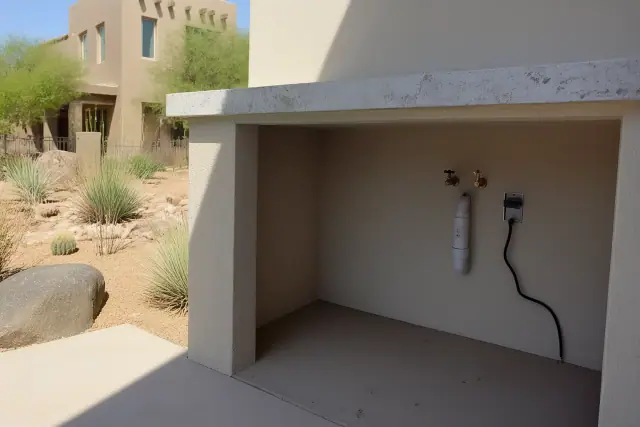
New appliance installation in a kitchen under-counter space at a home in Phoenix, AZ.

Residential Kitchen & Laundry Appliances

We work on the appliance configurations found in historic Phoenix homes, apartments, casitas, condos, and new construction, adapting diagnostics to the equipment and installation.

  • French-door, side-by-side, and built-in refrigerators
  • High-efficiency front-load and top-load washers
  • Electric and gas dryers with vent-performance checks
  • Standard 24-inch built-in, portable, and countertop dishwashers
  • Wall ovens, range ovens, gas stoves, and electric cooktops
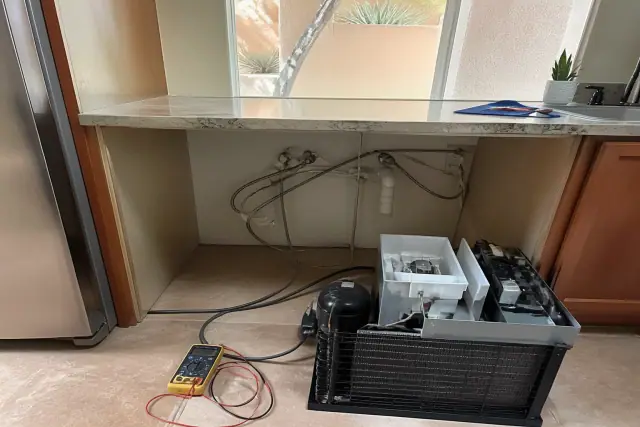
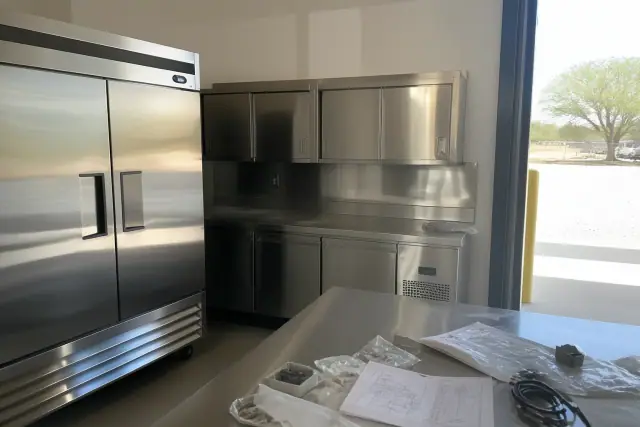
Stainless steel commercial refrigeration equipment installed in a kitchen workspace in Phoenix, AZ.

Commercial Refrigeration & Kitchen Equipment

Restaurants, cafes, convenience stores, break rooms, and small commercial kitchens rely on equipment that must return to proper operation quickly. We diagnose commercial cooling and cooking systems with inventory protection and operating requirements in mind.

  • Walk-in coolers and reach-in refrigeration units
  • Temperature diagnostics for health-department requirements
  • Commercial microwave transformers and control systems
  • Higher-wattage equipment used in break rooms and kitchens
  • On-site service for downtown and Camelback Corridor businesses
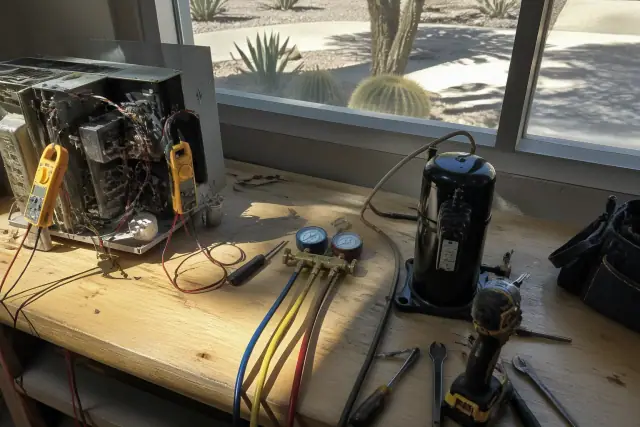
Gas, electrical, and refrigerant diagnostic tools on a wooden workbench at a workshop in Phoenix, AZ.

Gas, Electrical & Refrigerant Diagnostics

Sealed cooling systems, gas components, and high-voltage electrical equipment require careful testing. Our technicians use the credentials and manufacturer information appropriate to each appliance rather than guessing at wiring diagrams or part numbers.

  • EPA Section 608 refrigerant handling
  • Sealed refrigerator and freezer system evaluation
  • Gas ignitor, valve coil, flame sensor, and orifice testing
  • Heating elements, thermal cutoffs, sensors, and control boards
  • Manufacturer-spec wiring and part-number research
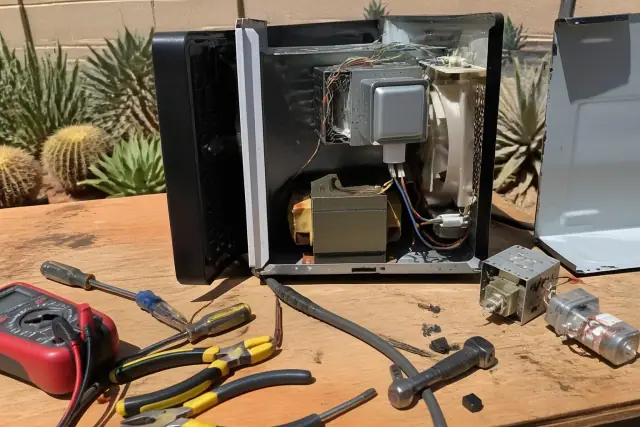
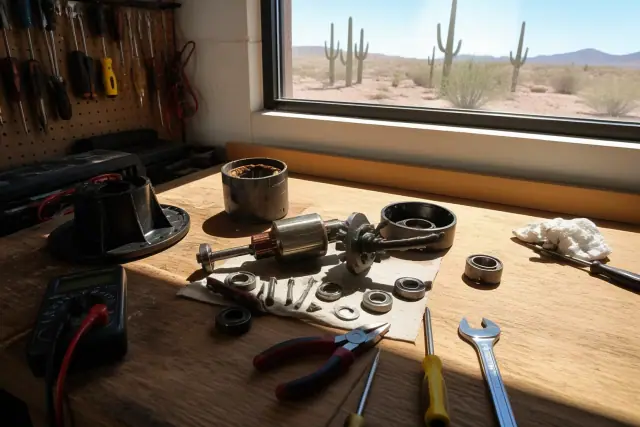
Disassembled mechanical components and repair tools on a wooden workbench in a Phoenix, AZ workshop.

Repair-or-Replace Guidance

A sound repair decision considers the failed part, the appliance's age, its expected remaining service life, and the price of a comparable replacement. We explain those factors before you approve the work.

  • Free estimate before repair work begins
  • Clear diagnosis and an approved quote before the fix
  • 50/50 rule comparison for older appliances
  • Remaining lifespan weighed against recurring failures
  • Economical replacement advice when repair is not worthwhile
Credentials, Clarity, and Care

Why Phoenix Customers Choose Us

Appliance repair can involve refrigerants, gas, electricity, water, and expensive components. We combine relevant credentials with methodical diagnosis, manufacturer-based training, and a straightforward explanation of whether the repair makes financial sense.

Manufacturer-Spec Diagnostics

Our team trains on manufacturer specifications for the major appliance brands sold throughout Maricopa County. That preparation supports accurate interpretation of wiring diagrams, controls, compatible parts, and operating tests.

Safety-Critical Credentials

Phoenix Appliance Repair Co. is licensed and insured, with general liability coverage on every job. Technicians who open sealed refrigerator or freezer systems carry EPA Section 608 certification for refrigerant handling in accordance with the Clean Air Act.

Honest Repair-or-Replace Guidance

We explain the failure, quote the repair, and proceed only after you approve the cost. If an older appliance or expensive component makes replacement the more practical option, we say so instead of pushing a repair that does not make financial sense.

When an Appliance Stops Working

Common Appliance Problems in Phoenix

Extreme heat, desert dust, mineral scale, lint, and normal component wear can show up as very different appliance symptoms. A focused diagnostic visit separates a simple restriction or reset from a failed motor, control, heating, or cooling component.

Get a Free Estimate

Refrigerator Not Cooling

A failed start relay, dusty condenser coil, bad evaporator fan motor, damaged gasket, or refrigerant leak can leave food warming quickly. Phoenix summer heat increases the load, especially for garage units and west-facing kitchens.

Washer Not Draining

A clogged pump filter, kinked or blocked drain hose, or failed drain pump is a common starting point. Door-boot leaks, bearing wear, lid switches, belts, and control boards can create related symptoms on front-load and top-load machines.

Dryer Not Heating

Thermal fuses, heating elements, cycling thermostats, ignitors, and gas valve coils can all interrupt heat. Lint buildup also restricts vent performance and creates a documented residential fire hazard.

Dishwasher Not Cleaning

Phoenix hard-water scale can clog spray-arm ports, foul inlet valves, and leave cloudy residue on glassware. A failing wash pump, door latch, or control board may also prevent a complete cleaning cycle.

Oven Temperature Problems

A worn door gasket can let heat escape and cause erratic cycling even when the thermostat is still working. Faulty igniters, bake elements, temperature sensors, controls, and drifting calibration can also keep an oven from holding the selected temperature.

Disposal Jams or Leaks

Fibrous food waste can jam the flywheel, while mineral-heavy water can accelerate wear. A humming unit may need a jam cleared and reset; a silent or leaking disposal may point to a tripped overload, burned-out motor, or failed connection.

How It Works

Our Appliance Repair Process

The process is built around diagnosis before repair and approval before cost is incurred. We schedule the visit, identify the failed component, explain the options, complete the authorized work, and verify appliance operation.

01.

Request an Estimate

Tell us which appliance is failing and what symptoms you have noticed. We provide a free estimate and arrange a technician visit as quickly as scheduling allows.

02.

Prepare for On-Site Service

A technician arrives with tools and commonly used parts for major equipment. The visit accounts for the appliance type, installation, access, and the conditions around the unit.

03.

Diagnose the Actual Failure

We test the relevant mechanical, electrical, gas, or refrigerant components before recommending a repair. Manufacturer specifications guide wiring, controls, part identification, and operating checks.

04.

Review the Quote and Options

We explain what failed, what the repair involves, and what drives the total cost. You approve the quote before work proceeds, with repair-versus-replacement guidance when age and part cost make that comparison useful.

05.

Complete the Approved Repair

Once approved, the technician repairs or replaces the failed component when parts and conditions allow. The work follows the appliance's manufacturer information and applicable safety requirements.

06.

Test Appliance Operation

We verify the appliance under operating conditions after the repair and explain the result. Dishwasher work includes a full-cycle function test so the fix is checked under real use.

Appliance Repair Service Areas in Phoenix

We serve neighborhoods across North, Central, Downtown, and South Phoenix, then extend appliance repair to supported communities across the broader Maricopa County and Salt River Valley area. Our experience includes older homes, high-rise condos, apartments, casitas, new builds, and commercial properties.

  • Phoenix
  • Desert Ridge
  • Deer Valley
  • Sunnyslope
  • Paradise Valley Border Neighborhoods
  • Arcadia
  • Downtown Phoenix
  • Midtown Phoenix
  • Sky Harbor Area
  • Camelback Corridor
  • Laveen
  • Ahwatukee
  • South Mountain Area
  • Tempe
  • Chandler
  • Glendale
  • Mesa
  • Maricopa County
  • Salt River Valley
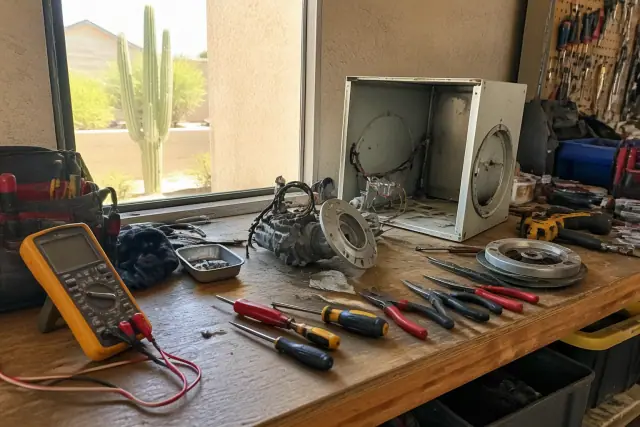
A wooden workbench in a Phoenix, AZ workshop with repair tools and disassembled appliance parts.

Honest Feedback from Phoenix Customers

Customer Experiences
★ ★ ★ ★ ★

Our refrigerator stopped cooling during a hot week, and the technician found a failed start relay after testing the system. He explained the repair clearly and had the fridge cooling again before our groceries were lost.

AL
Amanda L.Arcadia, Phoenix
★ ★ ★ ★ ★

The washer would not drain, and I assumed we needed a new machine. The technician traced it to the pump area, showed me the problem, and gave me the price before doing the repair.

JR
Jason R.Desert Ridge, Phoenix
★ ★ ★ ★ ★

Our dryer ran but had no heat. The technician tested the safety components, replaced the failed part, and checked the vent performance before leaving, which made the whole process feel thorough.

PS
Priya S.Ahwatukee, Phoenix
★ ★ ★ ★ ★

The dishwasher left residue on every load in our condo. The technician cleared the spray problem, explained how the mineral buildup affected it, and ran a complete cycle so we could see that it was cleaning properly.

MT
Michael T.Downtown Phoenix
Get Your Appliance Working Again

Schedule Your Phoenix Appliance Repair Service

Tell us what the appliance is doing, request a free estimate, and arrange a diagnostic visit. We will explain the failure and quote the repair before you approve any work.

Appliance Repair Help

Phoenix Appliance Repair Questions, Answered

These answers cover technician qualifications, common failures, pricing context, appliance lifespans, and repair-versus-replacement decisions. For a diagnosis tied to your equipment and symptoms, request an estimate and schedule service.

Call Our Experts

Look for licensed and insured technicians who diagnose the actual failure, explain the repair, and provide a quote before work begins. Phoenix Appliance Repair Co. adds EPA Section 608 certification for refrigerant handling and manufacturer-spec training for major equipment, while giving honest repair-versus-replacement recommendations.

Bureau of Labor Statistics data puts the median hourly wage for home appliance repairers at $25.73 and the median annual wage at about $53,520, although repair companies commonly bill by the service call or job rather than by wage. National repair totals average around $171 to $294, with a typical range of $100 to $350 depending on the appliance, failed part, and diagnostic complexity. We provide a free estimate before work starts.

The 50/50 rule suggests considering replacement when a repair costs more than 50% of a comparable new appliance and the unit is more than halfway through its expected lifespan. A 7-year-old refrigerator needing a $600 compressor repair when a replacement costs $1,200 is a borderline example that deserves a clear comparison rather than an automatic answer.

Repair usually costs less upfront, but the right choice depends on the failed part, recurring problems, and the unit's remaining useful life. A 12-year-old oven or a 10-year-old microwave with declining performance may be less economical to keep repairing than a younger appliance with one replaceable component. We show you the repair quote and the relevant lifespan factors before you decide.

Common calls include refrigerators not cooling because of dirty condenser coils or failed start relays, washers not draining because of pump or hose restrictions, dryers not heating after a thermal-fuse failure, and dishwashers affected by clogged spray arms or scale-fouled valves. Ovens may cycle unevenly because of worn gaskets, failing igniters, elements, sensors, or calibration problems. Phoenix heat, dust, mineral scale, and dry-air lint buildup can intensify several of these conditions.

A technician identifies mechanical, electrical, gas, or refrigerant failures, repairs or replaces the approved component, and tests appliance operation afterward. The job also includes explaining the failure, following manufacturer specifications, and observing safety requirements around electricity, gas connections, and refrigerants. Sealed refrigeration work requires the appropriate EPA Section 608 certification.

The compressor is typically the most expensive single refrigerator component because it is part of the sealed cooling system and requires specialized refrigerant handling. Control boards on higher-end smart refrigerators can also be costly. A compressor failure late in the refrigerator's service life is a good reason to compare the repair quote with replacement.

Cooling equipment must move heat out of the cabinet and release it through the condenser. In a hot garage or west-facing kitchen, the compressor and fans work against a higher ambient temperature, while desert dust can reduce airflow through the condenser coil. That added load can accelerate wear and makes prompt diagnosis important when temperatures start rising.

Water drawn largely from the Salt River and Central Arizona Project canal system can leave mineral scale on washer valves, heating elements, and pump components. In dishwashers, scale may clog spray-arm ports, foul inlet valves, and leave cloudy glassware. Diagnosis should still confirm the failed or restricted component before parts are replaced.

Electric dryer diagnostics commonly include the thermal fuse, heating element, thermal cutoffs, cycling thermostat, and control board. Gas dryers add the ignitor, gas valve coils, and flame sensor. Vent restrictions and lint accumulation also matter because they affect performance and create a residential fire hazard.

Yes. We service walk-in coolers, reach-in units, and commercial microwaves used by restaurants, cafes, convenience stores, break rooms, and small kitchens in the Phoenix area. Work focuses on restoring proper operation and temperature performance while reducing the risk of inventory loss.

We diagnose over-the-range, countertop, and commercial microwave units. Depending on the model, testing can include the magnetron, high-voltage diode, exhaust fan, light circuits, transformer, and control board. If a countertop magnetron repair is not economical, we explain why replacement may be the better choice.

We prioritize refrigerator calls because Phoenix heat can compound food-loss risk, and same-day washer appointments are considered whenever scheduling allows. Jammed or leaking disposals are also treated as priority calls when an active sink could spread water into cabinetry. Scheduling depends on current availability, so call with the appliance type and symptoms.

Licensing and liability insurance help protect the customer and property, while equipment-specific training supports accurate diagnosis. EPA Section 608 certification matters when a technician handles refrigerant in a sealed refrigerator or freezer system. Gas connections and high-voltage electrical circuits also call for technicians trained to test those components safely.