Pass Both 50% Thresholds
Replacement is the usual recommendation only when the appliance is at least halfway through its expected life and the repair reaches at least half the cost of a comparable new unit.
Phoenix Appliance Repair Co. explains the 50/50 rule as a two-part test for Phoenix homeowners deciding whether to repair or replace a failing appliance. It compares appliance age with repair cost, helping turn a stressful breakdown into a practical decision before work begins.
Replacement is the usual recommendation only when the appliance is at least halfway through its expected life and the repair reaches at least half the cost of a comparable new unit.
Check the unit's age against its typical lifespan, then divide the repair quote by today's price for a comparable replacement.
Confirm the actual fault and get a written estimate before choosing repair or replacement, because a simple maintenance issue can look like a major failure.
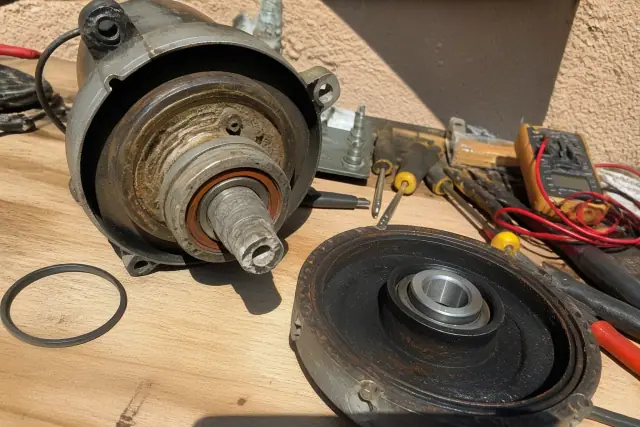
The appliance's age alongside prior repair notes. Both help reveal whether the unit is already past midlife and beginning to fail more often.
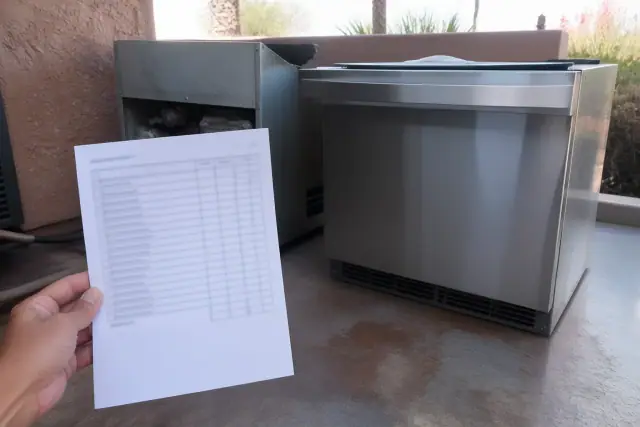
The written repair estimate next to the current price of a comparable new unit. This makes the repair-to-replacement percentage easy to see.
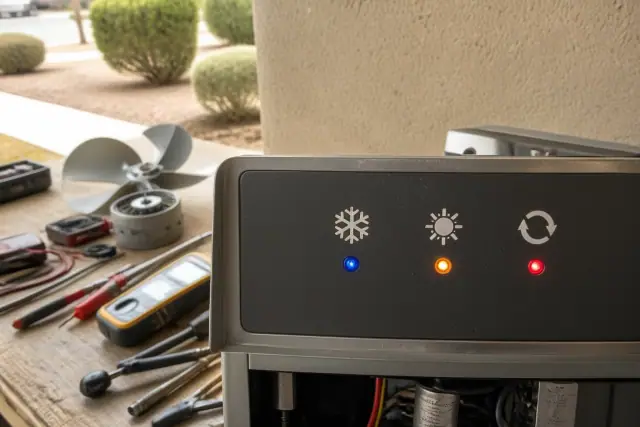
Worsening cooling, heating, spinning, draining, or cleaning performance. The exact symptom must be diagnosed before the 50/50 calculation is useful.
Confirm the appliance's age and actual fault, then divide the quoted repair cost by the price of a comparable new unit.
Warranty coverage, safety concerns, repeated repairs, current retail prices, and the extra workload created by Phoenix summer heat can shift the final recommendation.
A $30 belt or a clogged filter generally favors repair, especially when the appliance is still early in its expected lifespan.
Do not decide from age or repair cost alone. The full replacement signal appears only when both sides of the 50/50 test reach their thresholds.
| Check | Below 50% | At or Above 50% |
|---|---|---|
| Appliance age | Under half of its expected lifespan | At least half of its expected lifespan |
| Repair share | Repair costs less than half of a comparable new unit | Repair costs half or more of a comparable new unit |
| Decision signal | Repair often remains reasonable | If both tests reach 50%, replacement usually makes more financial sense |
| Final checks | Consider warranty status, safety, repair frequency, and Phoenix heat load before deciding. | |
Calculate the cost side by dividing the repair quote by the current price of a comparable new appliance. A $350 repair on a $650 dryer is about 54%, which is over the cost threshold; a $150 repair on the same dryer is 23% and is usually worth doing, especially when the dryer is under ten years old. The result is still only one half of the decision because the appliance must also have reached at least half of its expected lifespan.
A five-year-old dishwasher with a $150 pump repair is an easy repair case, while a twelve-year-old unit with a $400 control-board failure presents a different tradeoff. Refrigerators and freezers generally last 11-15 years, so a repair near half the replacement price after year 7-8-especially for a sealed-system or compressor issue-leans toward replacement. Washers generally last 10-13 years, and a motor or control-board repair after year six or seven may approach the threshold; dryers also last about 10-13 years, although early heating-element or drum-bearing repairs can still make sense. Dishwashers generally last 9-10 years, while ovens and ranges last 13-15 years. Once an appliance passes midlife, another repair can carry a higher chance of a related failure within a year or two, and Phoenix summer heat can make refrigerators, freezers, and dryers work harder.
Does crossing one 50% line mean you should replace the appliance? No-both the age and repair-cost tests are needed, and warranty coverage, safety issues, or repeated breakdowns can change the call. Should you troubleshoot first? Yes: a refrigerator running warm, a washer that will not spin or drain, a dryer needing multiple cycles, a dishwasher cleaning poorly, an oven baking unevenly, or a microwave running without heating should be diagnosed before you compare repair and replacement costs.
Share the appliance's age and symptoms. A technician can diagnose the fault and provide a written repair estimate so you can compare it with replacement cost before authorizing work.